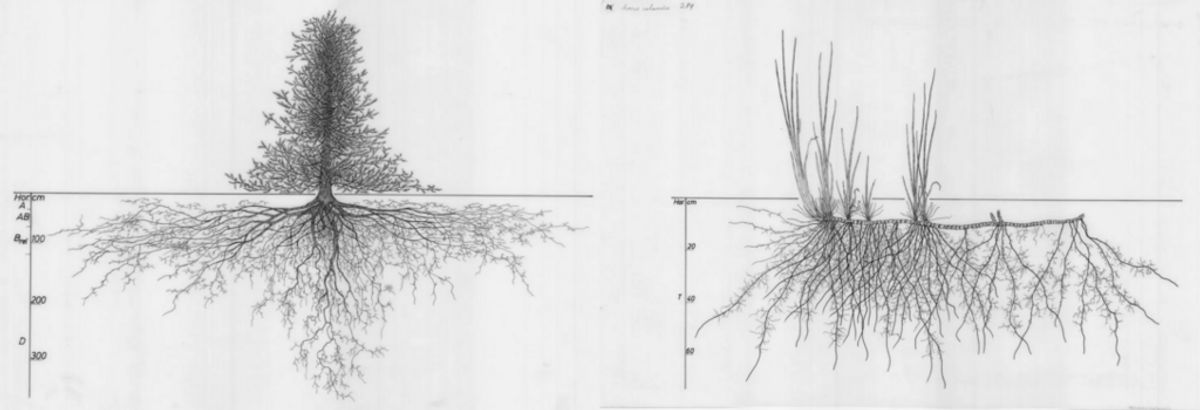

"In rhizomatic learning, the community is the curriculum. Knowledge is not a static destination but a dynamic, negotiation-driven mapping of connections."
Rhizomatic learning, with its emphasis on learner autonomy and decentralized knowledge, has become a prominent topic of discussion.
I'm fascinated by the evolving landscape of pedagogy and how we can best facilitate learning in our increasingly interconnected world. However, it's not without its critics. This post aims to explore rhizomatic learning, outlining both its potential and the valid concerns raised, allowing you, the reader, to form your own informed opinion.
Rhizomatic learning, inspired by the botanical rhizome, emphasises interconnectedness and emergent knowledge. Instead of a structured curriculum, learners navigate a network of information, resources, and peers, constructing their own understanding through exploration and collaboration. Dave Cormier is a key figure in articulating this approach, highlighting the importance of learner agency and the dynamic nature of knowledge creation in a digital age.
Arguments for Rhizomatic Learning
Proponents argue that this model represents the natural evolution of learning in a digital world:
- Empowering Learners: Proponents argue that rhizomatic learning empowers learners by giving them control over their learning journey. This autonomy can lead to increased engagement, motivation, and a deeper sense of ownership over their learning.
- Reflecting the Real World: The interconnected, non-linear nature of rhizomatic learning mirrors the way we access and process information in the real world, particularly in the digital sphere. This can better prepare learners for navigating complex and ever-changing environments.
- Fostering Critical Thinking: By encouraging learners to explore multiple perspectives and evaluate information from diverse sources, rhizomatic learning can cultivate critical thinking skills and information literacy.
- Promoting Collaboration and Community: The emphasis on connection and collaboration can foster a strong sense of community among learners, creating opportunities for peer learning and knowledge sharing.
- Adaptable and Flexible: Rhizomatic learning is inherently adaptable and flexible, allowing it to respond to the evolving needs of learners and the dynamic nature of knowledge itself.

Emergent Knowledge Model
Replaces static curricula with dynamic, peer-negotiated knowledge maps.
Arguments Against Rhizomatic Learning
Despite its visual and conceptual appeal, critics raise several major implementation and pedagogical concerns:
- Lack of Structure: Critics argue that the lack of structure can be overwhelming for some learners, particularly those who are used to more traditional, teacher-led instruction. They may struggle with self-direction and feel lost without clear guidance.
- Assessment Challenges: Assessing learning in a rhizomatic environment can be challenging. Traditional assessment methods may not be appropriate for evaluating the complex and emergent learning outcomes that result from this approach.
- Potential for Inefficiency: The open-ended nature of rhizomatic learning can lead to inefficient use of time and resources. Learners may spend time exploring irrelevant information or pursuing dead ends.
- Equity Concerns: Some argue that rhizomatic learning may exacerbate existing inequalities, as learners with stronger self-directed learning skills and access to resources may benefit more than those who lack these advantages.
- Difficulty in Scaling: Implementing rhizomatic learning at scale can be challenging, particularly in traditional educational institutions that are structured around fixed curricula and standardised assessments.

The LXD's Role: Navigating the Tension
As LXDs, we're tasked with designing effective learning experiences. Rhizomatic learning presents both opportunities and challenges. We need to consider:
- Learner Readiness: Are our learners ready for the level of autonomy and self-direction required for rhizomatic learning? Do they have the necessary skills and resources?
- Context Matters: Is rhizomatic learning appropriate for the specific learning objectives and context? It may be more suitable for some types of learning than others.
- Balancing Structure and Flexibility: How can we provide enough structure to support learners without stifling their autonomy and exploration?
- Facilitating, Not Dictating: Our role shifts from instructor to facilitator, guiding learners and creating opportunities for connection and collaboration.
Rhizomatic learning is a complex and nuanced approach to education. It offers a compelling vision for learning in the digital age, but it also raises valid concerns about structure, assessment, and equity. There's no easy answer, and the debate is likely to continue. As LXDs, it's our responsibility to critically examine the arguments for and against rhizomatic learning, considering the specific needs of our learners and the context in which we work.