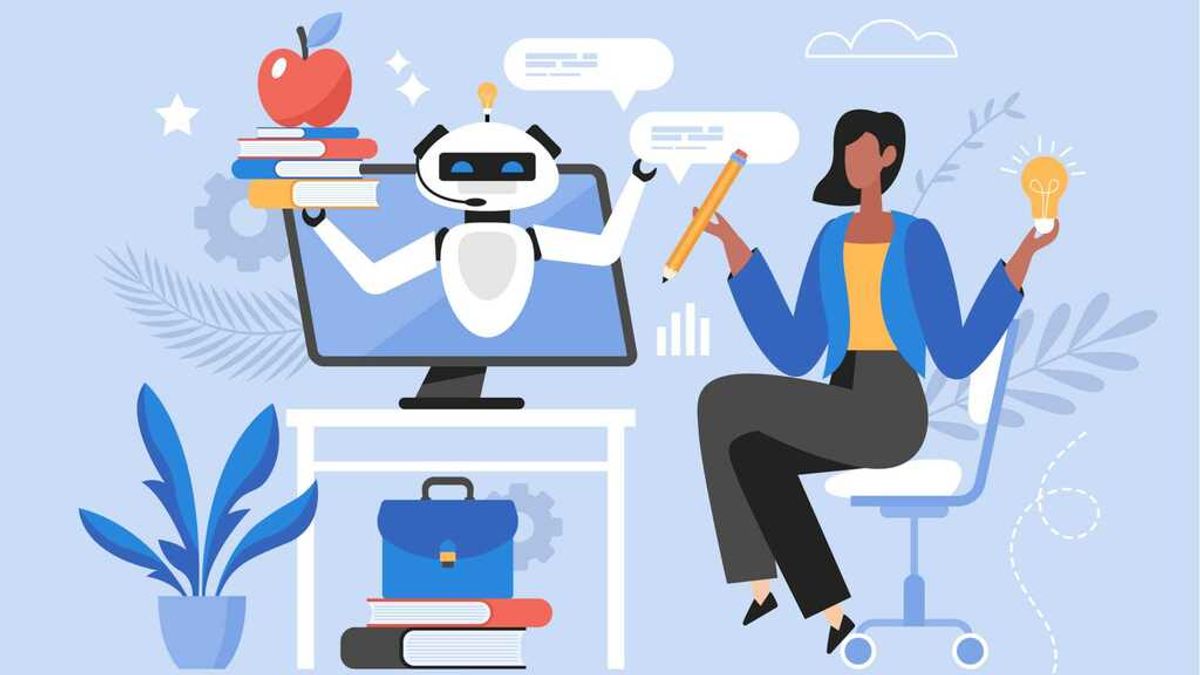

"The key lies in balancing cutting-edge technology with a clear understanding of human needs, ensuring AI is a tool that empowers learners and organisations alike."
Artificial Intelligence (AI) is reshaping the Learning and Development (L&D) landscape, with significant applications in personalisation, operational efficiency, and workforce readiness. By analysing data, automating processes, and enhancing user engagement, AI provides tools that not only elevate the learner experience but also align training with business objectives.
Key Trends and Research Insights
Our industry is witnessing rapid transformation across several critical frontiers:
- Personalised Learning: Research highlights that AI-powered adaptive learning platforms are transforming how employees engage with training. AI-driven systems analyse learner behaviour and preferences, customising content to suit individual needs.
- AI in Skill Gap Analysis: The UK public sector's use of AI demonstrates its potential to identify skill gaps and predict training needs. Tools like predictive analytics are enabling organisations to anticipate future workforce challenges.
- Automation of Routine Tasks: AI tools such as chatbots and automated reporting systems are streamlining administrative functions, allowing L&D professionals to focus on strategic, high-value tasks.
- AI-Powered Immersive Learning: Innovations in Virtual Reality (VR) and Augmented Reality (AR), supported by AI, are creating immersive training experiences that adapt dynamically to learner actions.
- Data-Driven Decision Making: AI-powered analytics dashboards provide actionable insights into learner performance and program effectiveness, linking training outcomes to business KPIs.
3.2x
Administrative Efficiency Lift
reported in Gov.uk and Civil Service World audits of automated administrative L&D processes.
Application: How to Implement AI Trends in L&D
Translating these trends into actionable workplace strategies requires deliberate, phase-driven implementation:
- Personalised Learning: Deploy platforms like Totara or Fuse to deliver tailored learning experiences. Use AI algorithms to assess individual performance and recommend personalised content.
- AI in Skill Gap Analysis: Integrate predictive analytics tools to analyse workforce data and identify skills in demand. Create dashboards that highlight trends and training needs.
- Automation of Routine Tasks: Introduce AI chatbots to handle FAQs about training programs, enrolment, and schedules. Automate feedback collection using AI-enabled surveys.
- AI-Powered Immersive Learning: Use VR for leadership simulations. Introduce AR tools for technical training, such as equipment handling or troubleshooting.
- Data-Driven Decision Making: Adopt AI-powered analytics platforms to track engagement, performance, and completion rates. Use A/B testing to refine training approaches.
Summary: AI's Role in Transforming L&D
The integration of AI into L&D has the potential to revolutionise training design, delivery, and outcomes. By implementing personalised learning, skill gap analysis, automation, immersive technologies, and data-driven decision-making, organisations can create impactful and future-ready L&D offerings.
For consultants and business partners, these advancements are opportunities to lead the charge in designing innovative solutions that not only improve employee capabilities but also drive measurable business results. The key lies in balancing cutting-edge technology with a clear understanding of human needs, ensuring AI is a tool that empowers learners and organisations alike.